Archives
- 2026-06
- 2026-05
- 2026-04
- 2026-03
- 2026-02
- 2026-01
- 2025-12
- 2025-11
- 2025-10
- 2025-09
- 2025-03
- 2025-02
- 2025-01
- 2024-12
- 2024-11
- 2024-10
- 2024-09
- 2024-08
- 2024-07
- 2024-06
- 2024-05
- 2024-04
- 2024-03
- 2024-02
- 2024-01
- 2023-12
- 2023-11
- 2023-10
- 2023-09
- 2023-08
- 2023-07
- 2023-06
- 2023-05
- 2023-04
- 2023-03
- 2023-02
- 2023-01
- 2022-12
- 2022-11
- 2022-10
- 2022-09
- 2022-08
- 2022-07
- 2022-06
- 2022-05
- 2022-04
- 2022-03
- 2022-02
- 2022-01
- 2021-12
- 2021-11
- 2021-10
- 2021-09
- 2021-08
- 2021-07
- 2021-06
- 2021-05
- 2021-04
- 2021-03
- 2021-02
- 2021-01
- 2020-12
- 2020-11
- 2020-10
- 2020-09
- 2020-08
- 2020-07
- 2020-06
- 2020-05
- 2020-04
- 2020-03
- 2020-02
- 2020-01
- 2019-12
- 2019-11
- 2019-10
- 2019-09
- 2019-08
- 2019-07
- 2019-06
- 2019-05
- 2019-04
- 2018-07
-
br Materials and methods br Results br Discussion The brain
2022-11-03
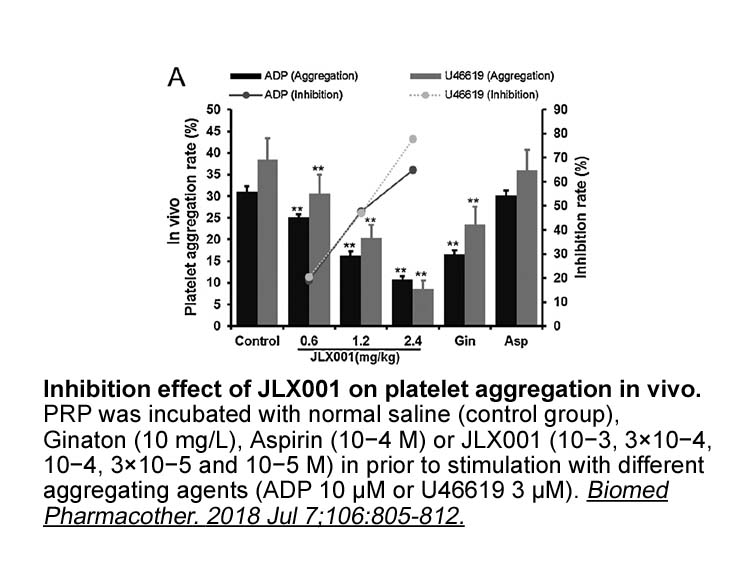
Materials and methods Results Discussion The brain is endowed with the 5-LOX enzymatic system (Lammers et al., 1996, Lindgren et al., 1984), but its physiological and pathological roles are still not clear. Inflammation is a characteristic of many neurodegenerative diseases such as Alzheime
-
br Author contributions br Conflict
2022-11-03
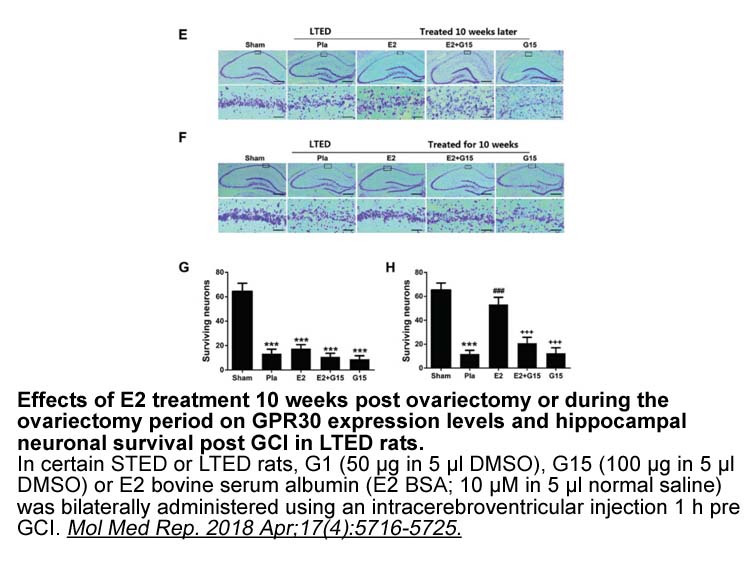
Author contributions Conflict of interest Acknowledgements This work was supported by the National Natural Science Foundation of China (81502276), Major Projects of Science and Technology of Health and Family Planning Commission of Hunan Province (A2017013), the Natural Science Foundation o
-
Our results suggest that plasma membrane and
2022-11-03
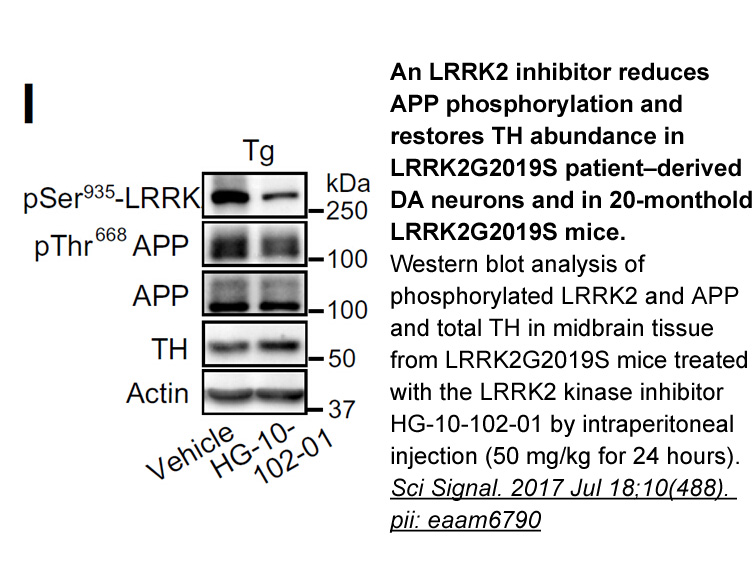
Our results suggest that plasma membrane and a3-containing V-ATPases represent an important and novel target in the development of drugs to limit breast cancer metastasis. That knock-down of a3 has been shown to reduce metastasis of melanoma cells in an in vivo mouse model suggests that this role ma
-
In the current study we showed that
2022-11-03
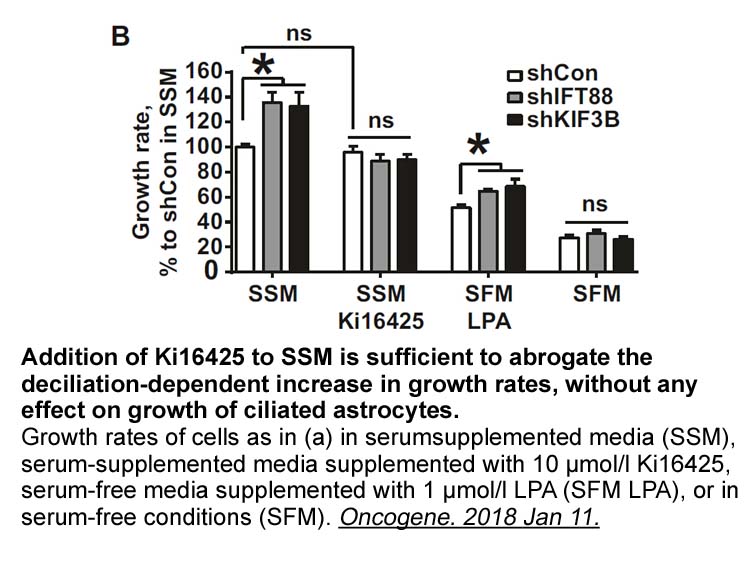
In the current study, we showed that known inhibitors of the F-ATPase and ionophores affect the growth of P. gingivalis and its plasma membrane ATPase, suggesting that the membrane ATPase can be a target for anti-periodontitis agents. We also identified stilbenoids that strongly inhibit the growth o
-
br Conclusion This is the first
2022-11-03

Conclusion This is the first report to show that treatment of lung cancer cell lines, A549 and H1299, with ovatodiolid stimulates intracellular reactive oxygen species generation and induces DNA damage. Subsequently activates ATM/ATR and CHK1/2 signaling pathway, inhibits CDC25C and p21WAF1/CIP1,
-
The levels of Mcl and FLIP
2022-11-03

The levels of Mcl-1 and FLIP are homeostatically controlled by transcriptional and posttranslational processes. Accumulating evidence suggested that intracellular signaling molecules such as Akt are crucial to the transcription of Mcl-1 and FLIP [30], [31]. The constitutive activation of Akt is dete
-
It has been known for a while
2022-11-01
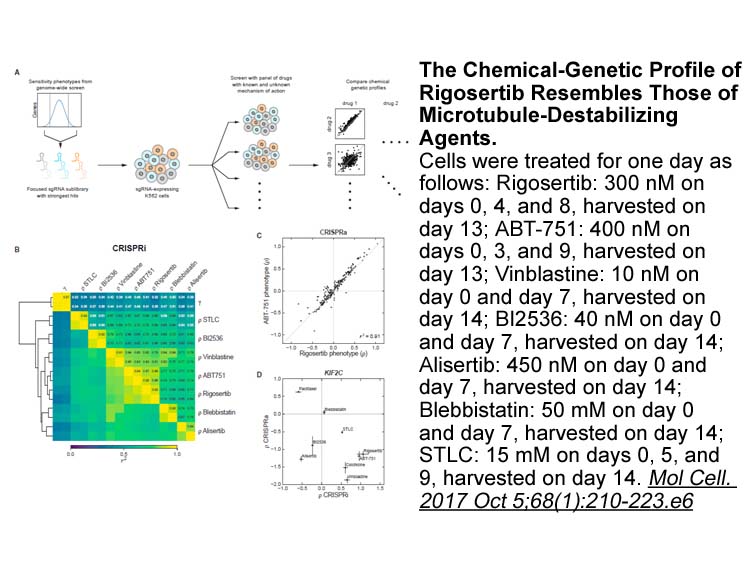
It has been known for a while that oxygenation (the addition of oxygen) of Aβ can inhibit the formation of amyloids and diminish their cytotoxicity. Photo-oxygenation of Aβ started with fullerenes almost a decade ago by Toshima and co-workers. Later, porphyrins and polyoxometalates were used as well
-
MSG model is well characterized and widely used
2022-11-01
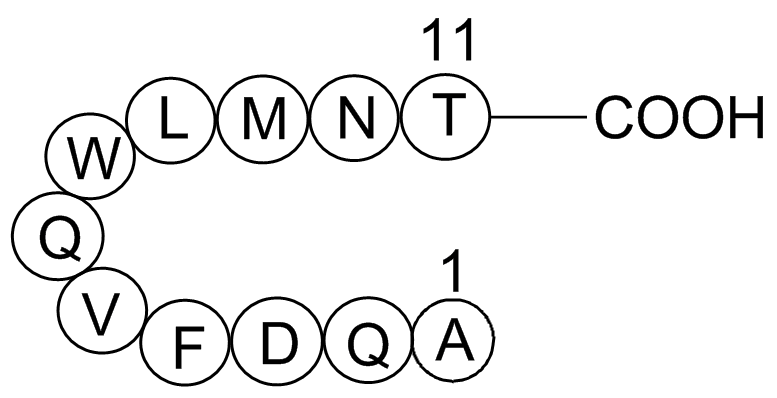
MSG model is well characterized and widely used because it is not influenced by dietary components and because it mimics a lesion in the arcuate nucleus and lateral hypothalamus that can occur in chronic obese patients (Moraes et al., 2009, Purkayasta and Cai, 2013). High fat fed diet is amongst the
-
First investigation of numerous membered ether linked macroc
2022-11-01
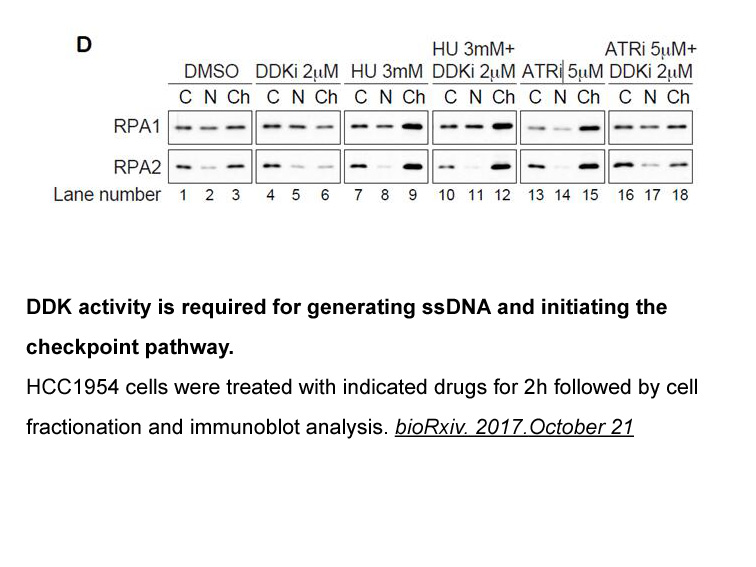
First, investigation of numerous 12-14-membered ether-linked macrocycles revealed that smaller motifs were most lipophilic efficient. Compound (3) (12-membered macrocycle) exhibited good cellular potencies (ALK IC50 = 1.0 nM; ALK-L1196 M IC50 = 20 nM) and the highest LipE (4.4) with picomolar bindin
-
Involvement of Adiponectin in the regulation of imatinib
2022-11-01
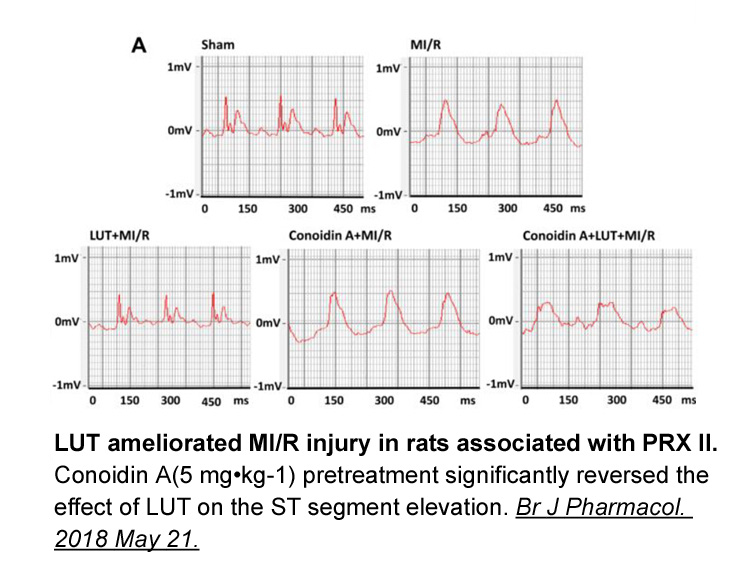
Involvement of Adiponectin in the regulation of imatinib resistance in human CML cells has not been hitherto examined. Therefore, in this study, we first established imatinib-resistant K562 CML cells, and then evaluated the effect of Adiponectin in reversing imatinib resistance. The data presented h
-
10Panx Adenosine A A agonists have been shown
2022-11-01
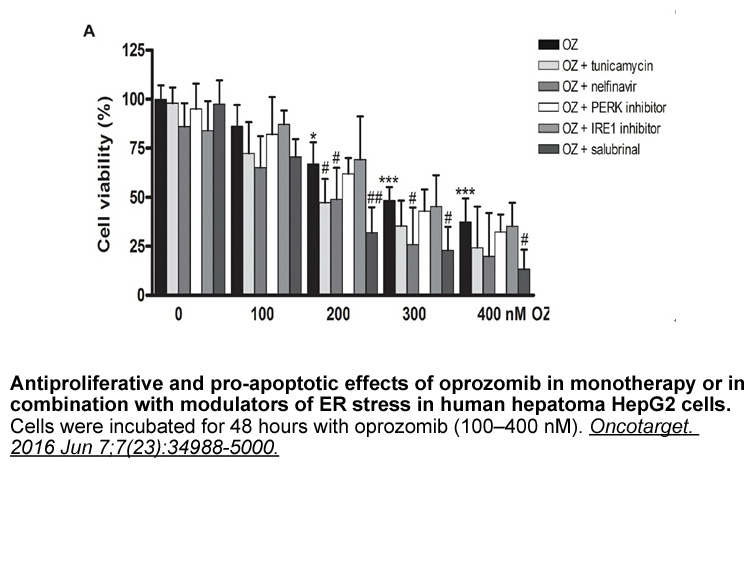
Adenosine A2A agonists have been shown to significantly reduce albuminuria in diabetic mice as well as plasma creatinine [24]. Proteinuria was greater in diabetic A2A knock-out (KO) mice than diabetic wild type (WT) mice [24]. Consistent with these findings, our laboratory initially found that prote
-
The rapidity of this specific immunosuppressive therapy sugg
2022-11-01
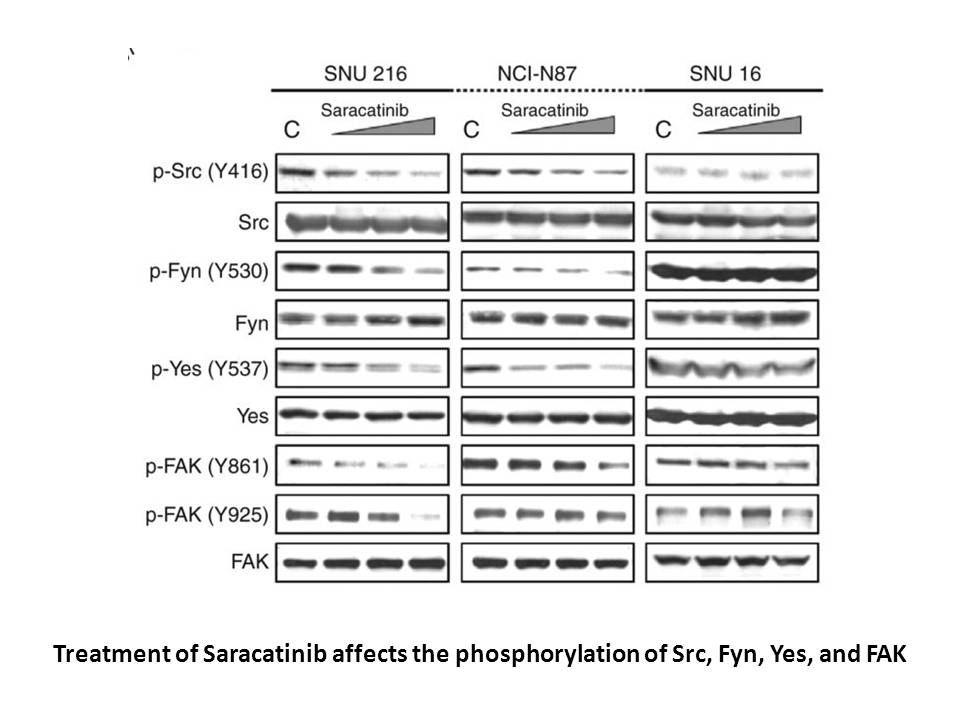
The rapidity of this specific immunosuppressive therapy suggests that it inhibits or apoptoses plasma cells. Most serum autoantibodies to AChR are produced by long-lived plasma cells residing in spleen and bone marrow. These terminally differentiated cells are resistant to most non-specific immunosu
-
sitagliptin phosphate br LOX in colorectal cancer Colorectal
2022-11-01
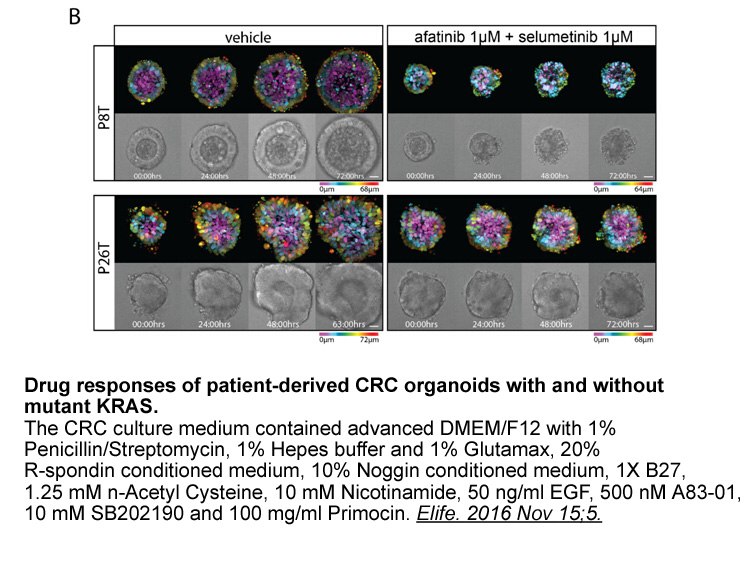
5-LOX in colorectal cancer Colorectal cancer (CRC) like other malignancies exhibits an overexpression of 5-LOX. Ohd et al. (Ohd et al., 2003) revealed in a study that malignant colon tissues overexpress 5-LOX activity and retain elevated levels of inflammatory mediators, leukotrienes. Additionall
-
LPA binds to six specific
2022-11-01

LPA binds to six specific cell surface GPCR receptors. The receptors LPA1 (lysophosphatidic receptor 1, formerly, Edg2), LPA2 (Edg4) and LPA3 (Edg7) belong to the endothelial differentiation gene family (EDG) and share sequence homology (50–60% amino apoptosis inducer homology) An et al., 1997, An
-
In our approach using BRET and FRET
2022-11-01
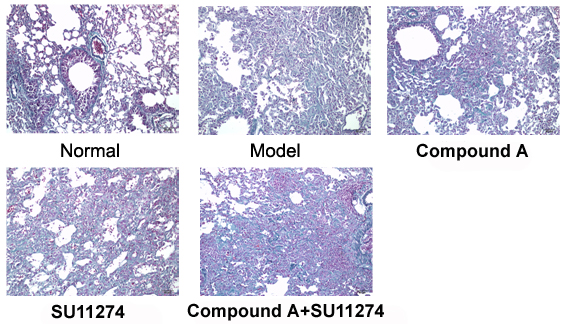
In our approach using BRET and FRET, there is a substantial increase in BRET and FRET signals between Giα2 or Giα3-YFP and CFP- Gγ2/Rluc-Gγ2 upon apelin-13 activation, indicating that Gαi2, Gαi3 and N-terminus of Gβ1γ2 subunits become closer without subunit dissociation. In contrast, both the FRET a
16452 records 415/1097 page Previous Next First page 上5页 411412413414415 下5页 Last page