Archives
- 2026-06
- 2026-05
- 2026-04
- 2026-03
- 2026-02
- 2026-01
- 2025-12
- 2025-11
- 2025-10
- 2025-09
- 2025-03
- 2025-02
- 2025-01
- 2024-12
- 2024-11
- 2024-10
- 2024-09
- 2024-08
- 2024-07
- 2024-06
- 2024-05
- 2024-04
- 2024-03
- 2024-02
- 2024-01
- 2023-12
- 2023-11
- 2023-10
- 2023-09
- 2023-08
- 2023-07
- 2023-06
- 2023-05
- 2023-04
- 2023-03
- 2023-02
- 2023-01
- 2022-12
- 2022-11
- 2022-10
- 2022-09
- 2022-08
- 2022-07
- 2022-06
- 2022-05
- 2022-04
- 2022-03
- 2022-02
- 2022-01
- 2021-12
- 2021-11
- 2021-10
- 2021-09
- 2021-08
- 2021-07
- 2021-06
- 2021-05
- 2021-04
- 2021-03
- 2021-02
- 2021-01
- 2020-12
- 2020-11
- 2020-10
- 2020-09
- 2020-08
- 2020-07
- 2020-06
- 2020-05
- 2020-04
- 2020-03
- 2020-02
- 2020-01
- 2019-12
- 2019-11
- 2019-10
- 2019-09
- 2019-08
- 2019-07
- 2019-06
- 2019-05
- 2019-04
- 2018-07
-
br Conclus o br Conflitos de interesses br Alzheimer
2024-02-26
Conclusão Conflitos de interesses Alzheimer Disease: Common and Complex Alzheimer’s disease (AD) is a genetically complex, multifactorial disease that leads to neurodegenerative dementia. There is no cure for AD yet, and due to a high prevalence and continuously increasing incidence it pose
-
Salvia the largest genus in the family Lamiaceae
2024-02-26
Salvia, the largest genus in the family Lamiaceae, comprises over 900 species that are distributed globally [14], [15], [16]. The genus Salvia has been assessed in many studies because it is a rich source of polyphenol compounds, of which more than 160 have been isolated from plants in the genus, so
-
Differentiation of skeletal myoblasts is a
2024-02-26
Differentiation of skeletal myoblasts is a tightly orchestrated process that involves myoblast proliferation, Bcl Family Set I withdrawal, expression of muscle-specific genes, and fusion into multinucleated myofibers (Horsley and Pavlath, 2004; Krauss, 2010). The maintenance of muscle mass is impor
-
br Hyperadiponectinemia in disease conditions Other evidence
2024-02-26
Hyperadiponectinemia in disease conditions Other evidence indicates that hyperadiponectinemia does not necessarily always imply a healthy outcome. Indeed, a recent study suggested that hyperadiponectinemia occurs in various diseases. Given that the risk for AD and vascular dementia is increased i
-
In this study high concentrations mM of thuringiensin were
2024-02-26
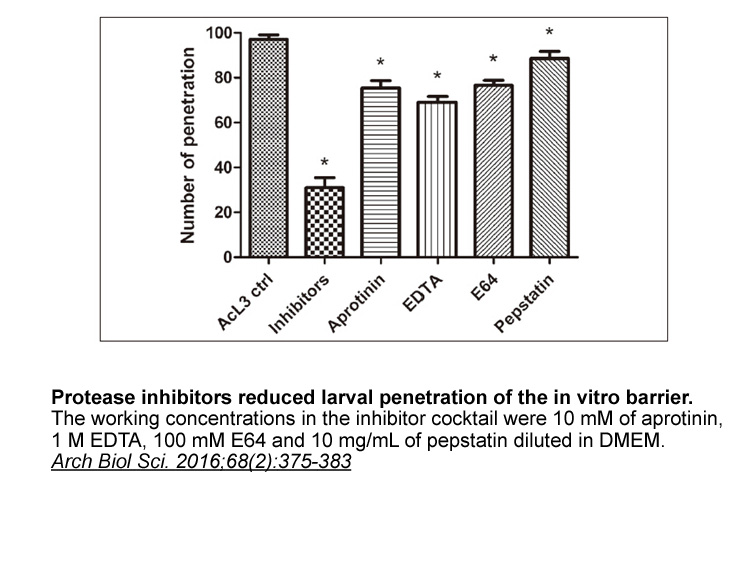
In this study, high concentrations (0.5–4 mM) of thuringiensin were required to stimulate the basal adenylate cyclase activity Fig. 2, Fig. 3, Fig. 4, but low concentrations of thuringiensin (1–100 μM) were sufficient to inhibit the forskolin-stimulated adenylate cyclase activity in rat cerebral cor
-
In this study we obtained
2024-02-26
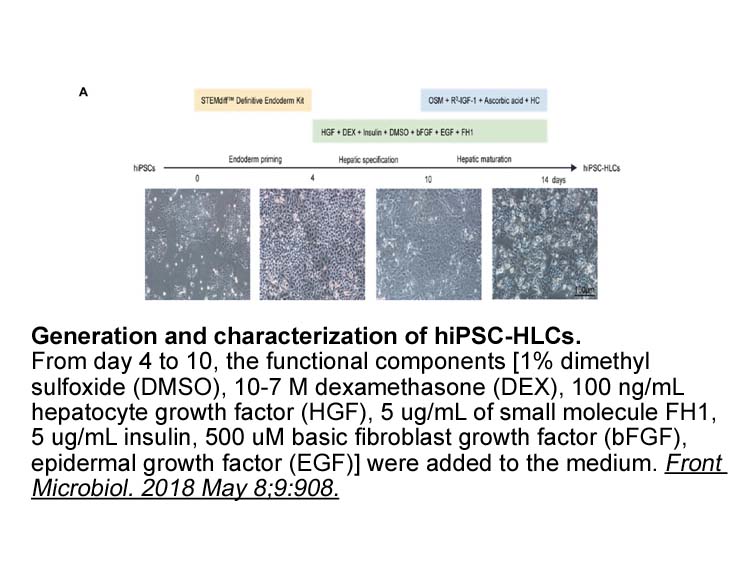
In this study, we obtained the absorbance and photoluminescence (PL) of dhfr inhibitor polymerized with various types of actin-binding proteins in order to probe the actin structures in situ without labeling. Both optical measurements have been useful in examining biomaterials such as DNA and protei
-
The following are the supplementary data
2024-02-26
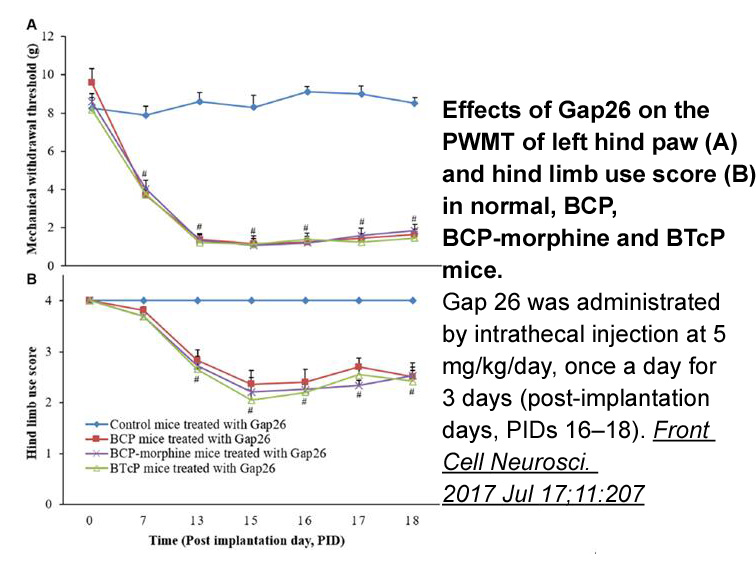
The following are the supplementary data related to this article. Conflict of interest Acknowledgements Disclosure of interest Introduction Since the introduction of platinum-based chemotherapy, metastatic testicular cancer has become a curable disease and most testicular cancer patient
-
A variety of quinazoline or fused
2024-02-26
A variety of quinazoline or fused pyrimidine-substituted diaminotriazoles showed sub-100nM inhibition of Axl (). Diaminotriazoles similarly substituted with quinolines, isoquinolines and benzothiazoles also showed potent Axl activity (data not shown), but generally exhibited potent cytotoxicity and
-
CK is considered a central controller
2024-02-26
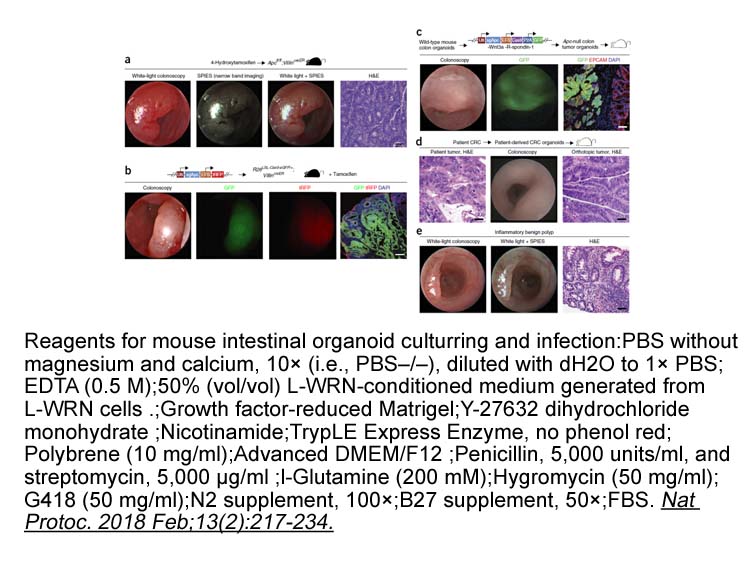
CK is considered a central controller of cellular energy homeostasis that catalyzes the reversible transfer of a phosphoryl group from ATP to adenosine diphosphate (ADP) and creatine to produce PCr [5]. This enzyme builds up a large pool of rapidly diffusing PCr for temporal and spatial buffering of
-
br Acknowledgements br Introduction Double stranded DNA brea
2024-02-26
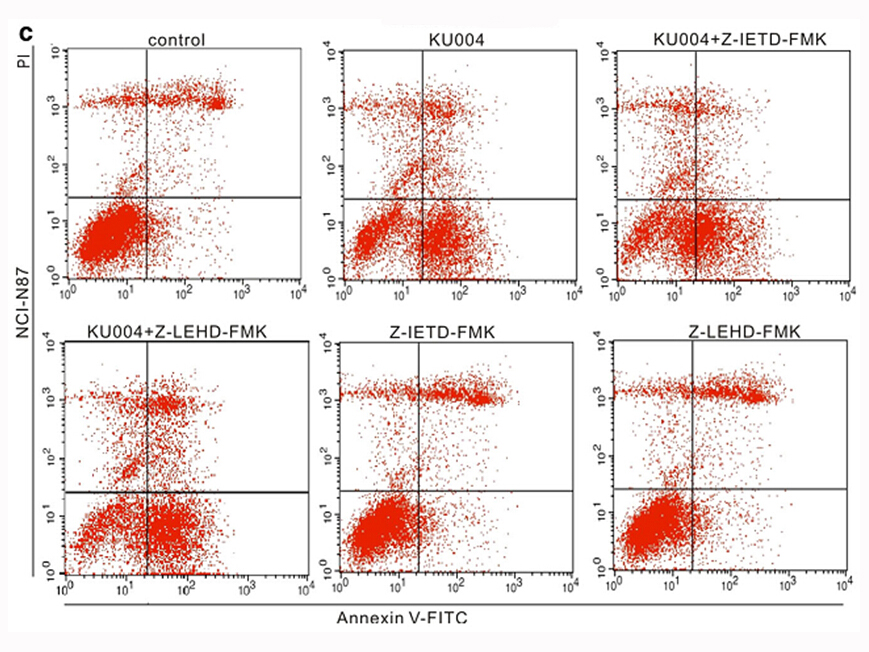
Acknowledgements Introduction Double-stranded DNA breaks (DSBs) are among the most deleterious DNA lesions that threaten genomic integrity. DSBs are generated not only by exogenous DNA-damaging agents but also by normal cellular processes such as V(D)J recombination, meiosis, and DNA replicati
-
Recently competitive inhibitors of arginase have been develo
2024-02-26
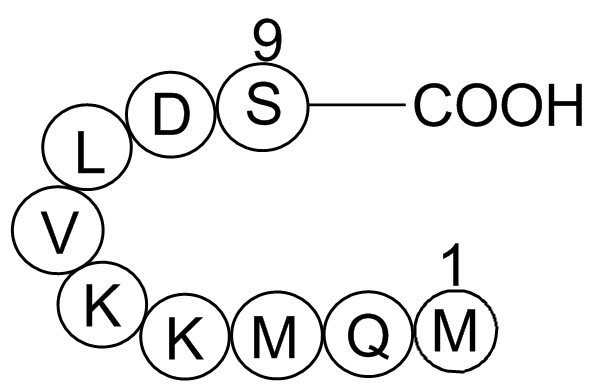
Recently, competitive inhibitors of arginase have been developed which have greater specificity for the enzyme. Initial development of these compounds involved determination of the crystal structure of arginase. Christianson and colleagues found that a binuclear manganese cluster was required for ca
-
Introduction The corpus luteum CL is a transient
2024-02-26
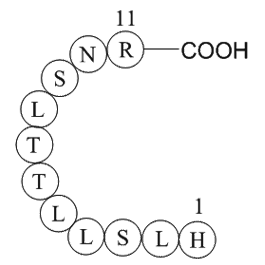
Introduction The corpus luteum (CL) is a transient endocrine gland that differentiates from the thecal and granulosal cells of the ovarian follicle after ovulation. Its formation and limited lifespan in the mammalian ovary is important for fertility, as the CL produces progesterone (P4), the essent
-
On the other hand our
2024-02-26
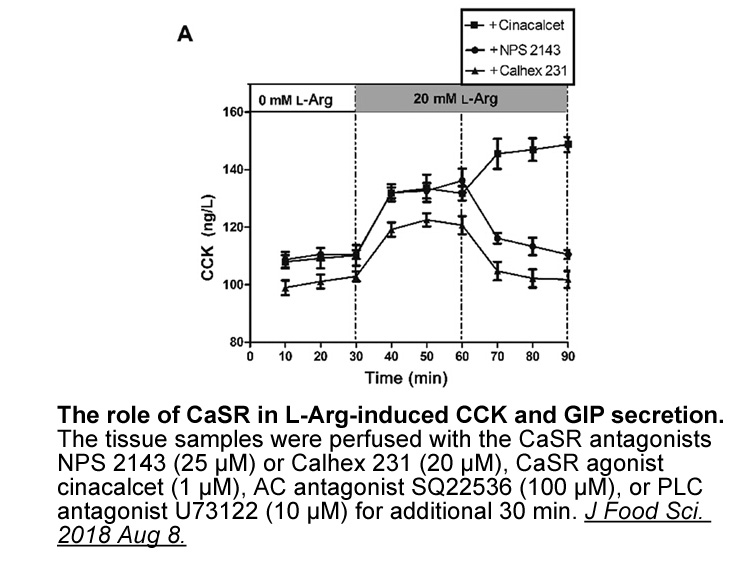
On the other hand, our study permits to draw general conclusions about the complex functional pattern of C4HT, C8HT and C12HT, in comparison with the parent molecule HT and two reference compounds like Trolox and vitamin E. Table 1 summarizes the results obtained in the present investigation (for th
-
br Summary and future br Introduction Androgen
2024-02-23
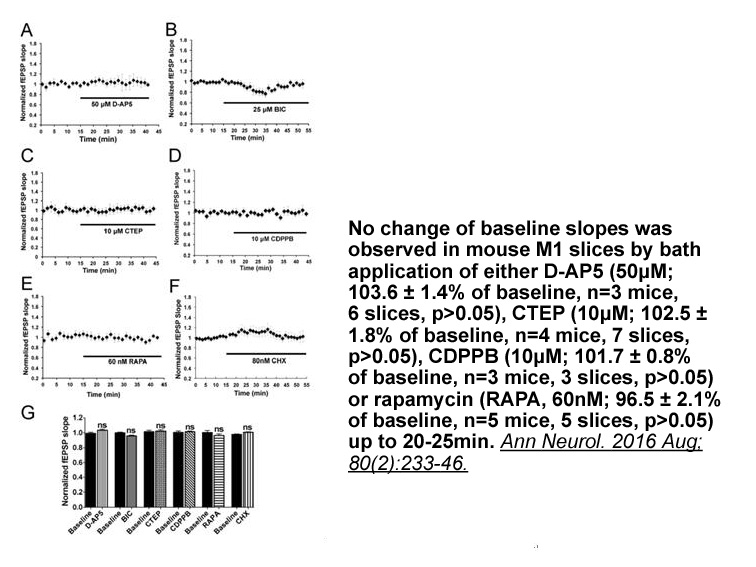
Summary and future Introduction Androgen activity is critical for a wide range of developmental and physiological responses and is especially important in male sexual differentiation and maturation. The biological activity of androgens occurs through binding to the androgen receptor (AR) and t
-
br Introduction Quenchbody Q body immunoassay
2024-02-23
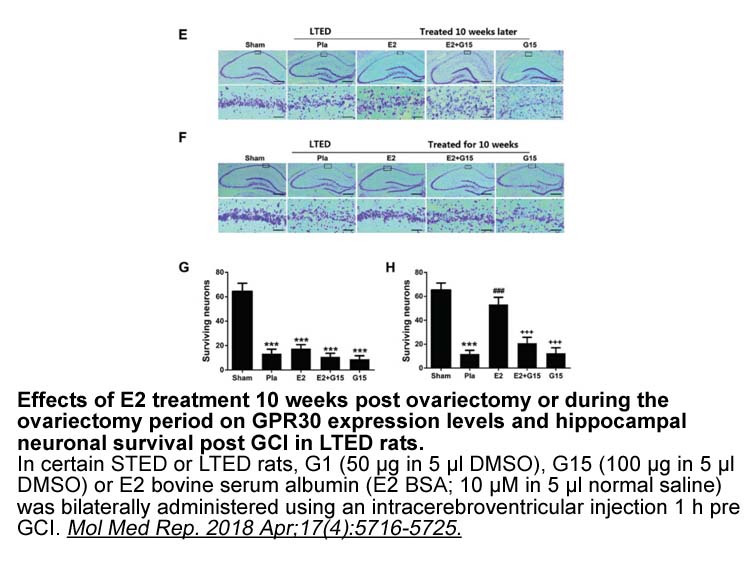
Introduction Quenchbody (Q-body) immunoassay is a novel biosensing technology that uses the quenching of fluorescence by intrinsic tryptophan (Trp) residues in antibody variable regions when dye(s) are conjugated to an antibody or antibody fragments in appropriate position, and de-quenching while
16437 records 218/1096 page Previous Next First page 上5页 216217218219220 下5页 Last page